Is Jamaica in the USA: Understanding the Geography and Cultural Significance
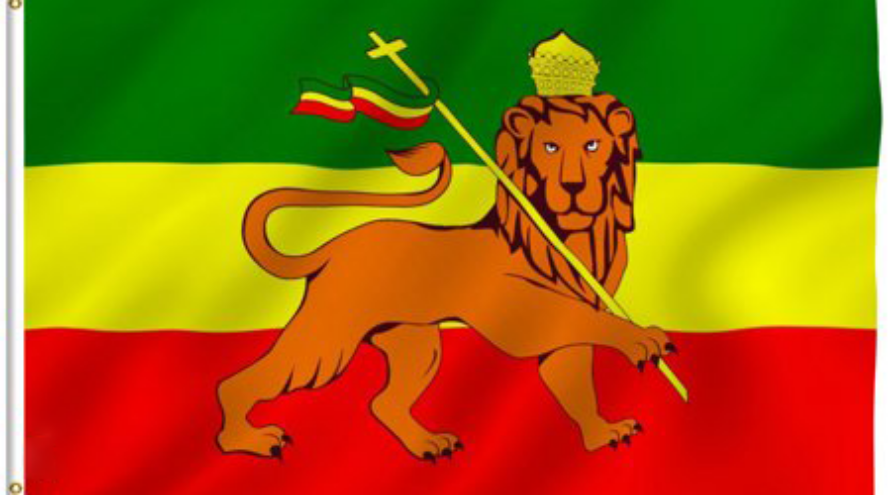
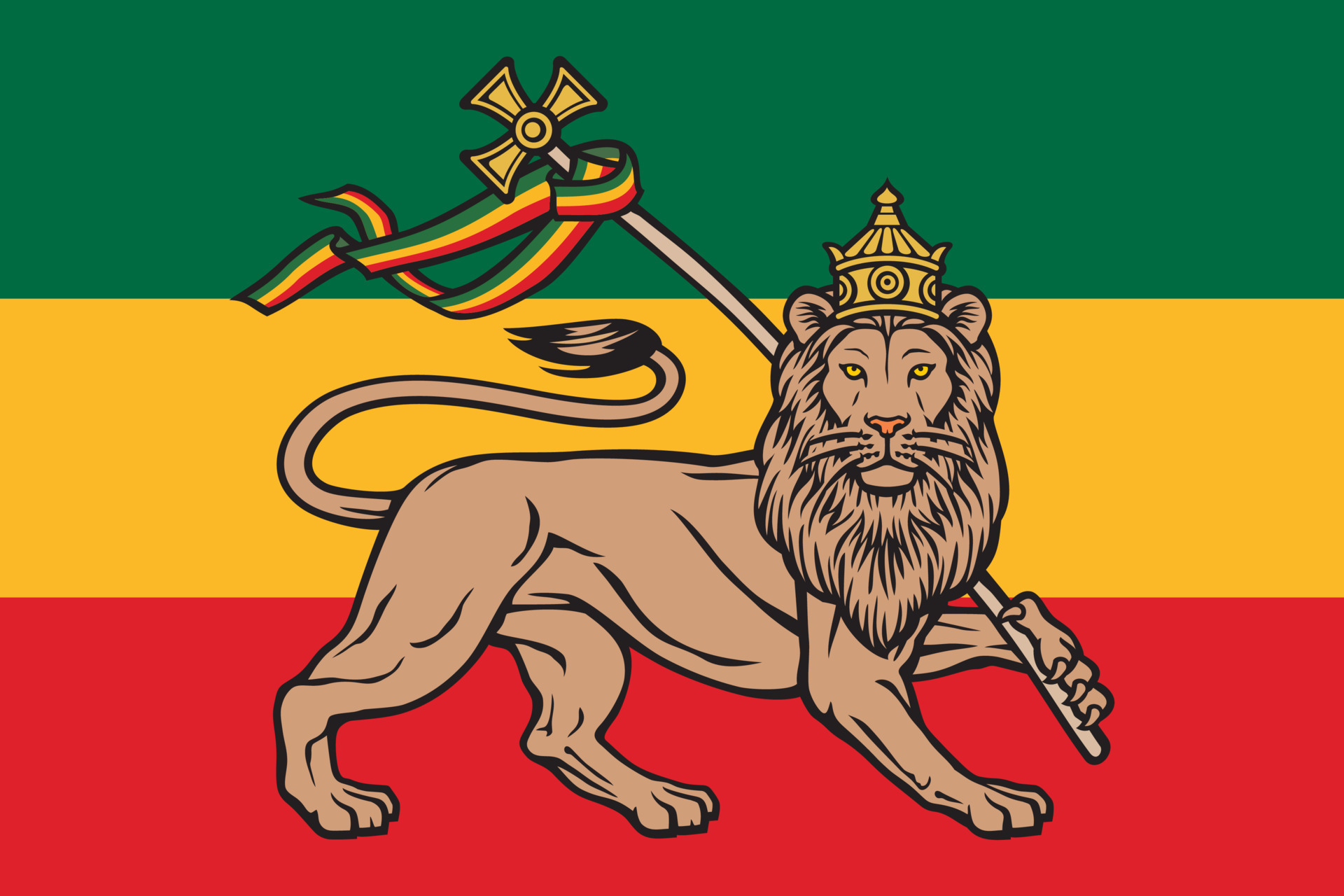
Jamaica is often associated with the United States due to its proximity and cultural exchange, but the question remains, is Jamaica in the USA? The answer is no, Jamaica is an independent island nation located in the Caribbean Sea, situated approximately 90 miles south of Cuba. Despite its independence, Jamaica has strong historical and cultural ties to the United States, with many Jamaicans immigrating to the US and contributing to the country's diverse cultural landscape. The influence of Jamaican culture can be seen in the popularity of reggae music and the widespread use of Rastafarian symbols, such as the Lion of Judah flag, which is often displayed as a symbol of identity and pride.
Geographical Context
Jamaica is the third-largest island in the Caribbean, with a total area of approximately 4,244 square miles. The island is mountainous, with a rugged terrain that has contributed to the development of a unique cultural identity. Jamaica's geographical location has also played a significant role in shaping its history, with the island being a major hub for trade and commerce in the Caribbean. The country's strategic location has also made it an important stopover for tourists and travelers, with many visitors drawn to its beautiful beaches, lush forests, and vibrant culture.
Cultural Significance
Jamaican culture has had a profound impact on the world, with the country's music, art, and literature influencing a wide range of genres and styles. Reggae music, in particular, has become a global phenomenon, with artists such as Bob Marley and Peter Tosh achieving international fame and recognition. The Rastafarian movement, which originated in Jamaica, has also played a significant role in shaping the country's cultural identity, with its emphasis on spirituality, social justice, and African heritage. The use of Rastafarian symbols, such as the Lion of Judah flag, has become a powerful symbol of Jamaican identity and pride, with many people around the world embracing the culture and its values.
Implications and Conclusion
In conclusion, while Jamaica is not geographically part of the United States, the country's cultural influence can be seen in many aspects of American life. The popularity of reggae music, the use of Rastafarian symbols, and the celebration of Jamaican holidays such as Independence Day all testify to the significant impact that Jamaican culture has had on the world. As the world becomes increasingly interconnected, it is likely that Jamaican culture will continue to play an important role in shaping our global identity and cultural landscape. Whether you are interested in exploring the island's rich history, experiencing its vibrant culture, or simply learning more about this fascinating country, Jamaica is a destination that has something to offer everyone.