How to Navigate the CONCACAF League of Nations Schedule PDF Without Missed Games
Fans and team staff alike rely on the official CONCACAF League of Nations schedule PDF to keep track of match dates, venues, and kickoff times. Because the document is a static snapshot, any misreading can lead to double‑booked travel, missed broadcasts, or last‑minute ticket scrambles. Understanding the common pitfalls and adopting smarter planning tools ensures every stakeholder stays on the pitch.
Why the PDF Still Holds Its Place
Despite the rise of interactive calendars, the PDF remains the definitive source published by CONCACAF. It guarantees consistency across broadcasters, sponsors, and national federations, and it can be downloaded for offline reference—a necessity in regions with spotty internet.
Typical Slip‑Ups When Relying Solely on the PDF
- Overlooking time‑zone conversions. The schedule lists local times; without a clear conversion, fans in the U.S. often miss games that start early morning.
- Assuming static match order. Post‑qualification rescheduling is rare but possible; a PDF won’t flag those changes automatically.
- Failing to capture venue changes. Stadium swaps due to renovations appear only in updated PDFs, which many users neglect to re‑download.
Smarter Alternatives: Layering the PDF with Dynamic Tools
Instead of treating the PDF as a stand‑alone calendar, blend it with digital solutions that alert you to updates.
- Import the PDF table into a spreadsheet, then link each row to Google Calendar or Outlook. Set reminders 24 hours before kickoff.
- Subscribe to CONCACAF’s official RSS feed; it pushes notifications for any schedule amendment.
- Use a simple 5 Whys analysis to troubleshoot recurring missed matches. By asking “why” five times, you uncover root causes—be it a flawed reminder system or an inaccurate time‑zone setting.
Applying the 5 Whys Method to Schedule Mishaps
Root‑cause analysis, popularized by the 5 Whys framework, can turn a one‑off oversight into a lasting habit. Below is a quick illustration of how the method clarifies a missed game.

Start with the problem—“I missed the match”—and drill down: Why? No reminder set. Why? Calendar wasn’t linked. Why? The PDF wasn’t imported. Why? Lack of a standard workflow. Why? No team policy. The final answer points to establishing a routine import process.
Free Templates to Streamline the Process
Visual aids speed up the set‑up. Below is a free template that maps each match to a calendar entry and flags potential conflicts.
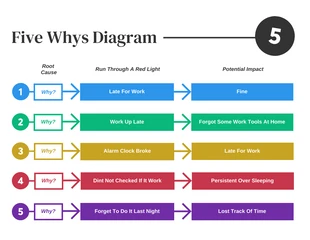
Customize the color‑coded blocks for home vs. away games, and attach hyperlinked PDFs directly to each calendar event for instant reference.
Immediate Steps for Busy Readers
- Download the latest schedule PDF from CONCACAF’s official site today.
- Copy the match table into a spreadsheet; add columns for your local time and a “reminder” checkbox.
- Create a recurring calendar event that pulls data from the spreadsheet every week.
- Run a quick 5 Whys on any missed game to tighten your workflow.
What This Means for Fans and Teams
When the schedule PDF is treated as a foundation rather than a finish line, the entire ecosystem—media partners, travel coordinators, and casual supporters—benefits from fewer errors and smoother logistics. By embedding a simple root‑cause analysis into your routine, you transform a static document into an active planning tool that keeps every match on your radar.